Rapid Diagnostic Tests (RDTs) | Point-of-Care IVD Solutions | First Diagnostic Corporation
Introduction
The healthcare industry is rapidly evolving toward decentralized testing solutions that deliver accurate diagnostic information closer to patients. Rapid Diagnostic Tests (RDTs) have become essential tools in modern healthcare by enabling fast detection of infectious diseases, cardiac biomarkers, women’s health conditions, and other medical conditions without requiring centralized laboratory equipment.
First Diagnostic Corporation specializes in supporting innovative diagnostic manufacturers by connecting advanced in vitro diagnostic (IVD) technologies with healthcare distributors, clinical markets, and commercial opportunities throughout the United States.
What Are Rapid Diagnostic Tests?
Rapid Diagnostic Tests are medical diagnostic devices designed to identify specific biological markers, including:
- Antigens
- Antibodies
- Proteins
- Hormones
- Pathogens
- Disease-related biomarkers
Unlike traditional laboratory testing, rapid tests can provide results within minutes, allowing healthcare professionals to make faster clinical decisions.
Common rapid diagnostic applications include:
- HIV testing
- Hepatitis B and C screening
- Influenza detection
- COVID-19 antigen testing
- RSV testing
- Malaria diagnosis
- Cardiac biomarker testing
- Pregnancy testing
- Inflammatory marker detection
How Rapid Diagnostic Technology Works
Most rapid diagnostic devices use immunochromatographic lateral flow technology.
The testing process typically involves:
1. Sample Collection
Patient samples may include:
- Whole blood
- Serum
- Plasma
- Nasal swabs
- Saliva
- Urine
2. Biomarker Recognition
Specific antibodies or antigens embedded within the test membrane interact with target biomarkers.
3. Signal Generation
A visible or instrument-read signal develops indicating the presence or absence of the target analyte.
4. Result Interpretation
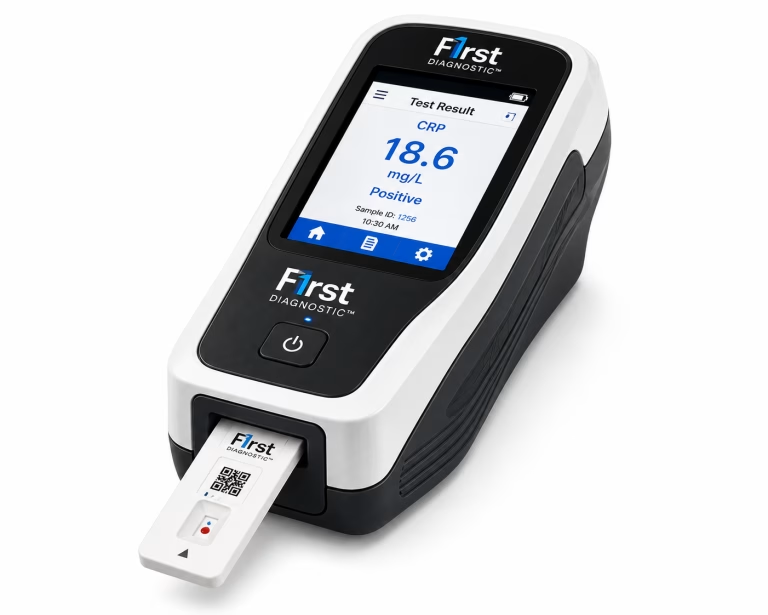
Results may be interpreted visually or through digital readers that improve accuracy and documentation.
Advantages of Point-of-Care Rapid Testing
Faster Clinical Decisions
Rapid testing reduces waiting periods from days to minutes.
Improved Patient Management
Healthcare providers can quickly identify infections, monitor conditions, and begin appropriate treatment pathways.
Expanded Healthcare Access
Portable diagnostic solutions allow testing in:
- Physician offices
- Urgent care centers
- Pharmacies
- Community clinics
- Remote healthcare environments
The Future of IVD Diagnostics
The future of rapid diagnostics includes:
- Digital test readers
- AI-assisted interpretation
- Multiplex biomarker detection
- Smartphone connectivity
- Cloud-based reporting
- Advanced fluorescence detection
These innovations are transforming rapid tests from simple screening tools into connected diagnostic platforms.
Conclusion
Rapid Diagnostic Tests represent a major advancement in healthcare delivery by combining speed, accessibility, and clinical value. As demand grows for decentralized testing solutions, innovative IVD manufacturers require experienced commercialization partners to successfully enter healthcare markets.
First Diagnostic Corporation helps diagnostic companies expand market opportunities through strategic sales representation, distributor development, and healthcare channel support.