


Plain-language guides for distributors, laboratory managers and clinicians. Each article lists its sources and the date it was last reviewed.
What rapid diagnostic tests are, the formats and analyte types in use, where they fall short of laboratory methods, and five points to check before buying an RDT.
How rapid tests are used in clinics, outreach programs and emergency settings, and the training, control and record-keeping practices that point-of-care testing depends on.
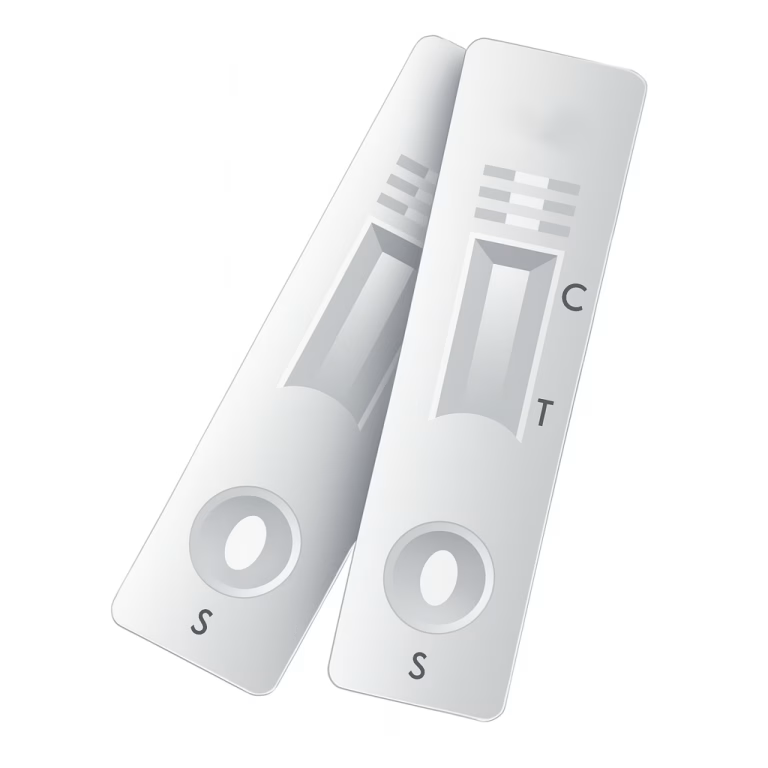
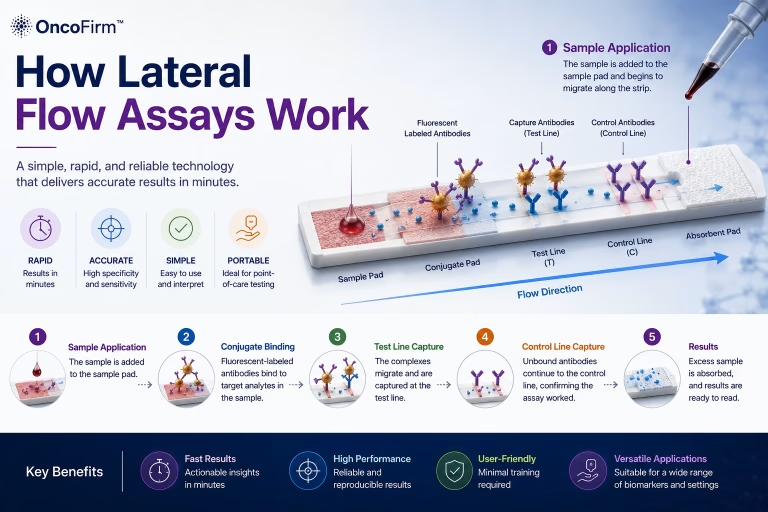
A technical guide to the lateral flow strip: what each component does, how sandwich and competitive formats produce a line, and what limits a correct reading.
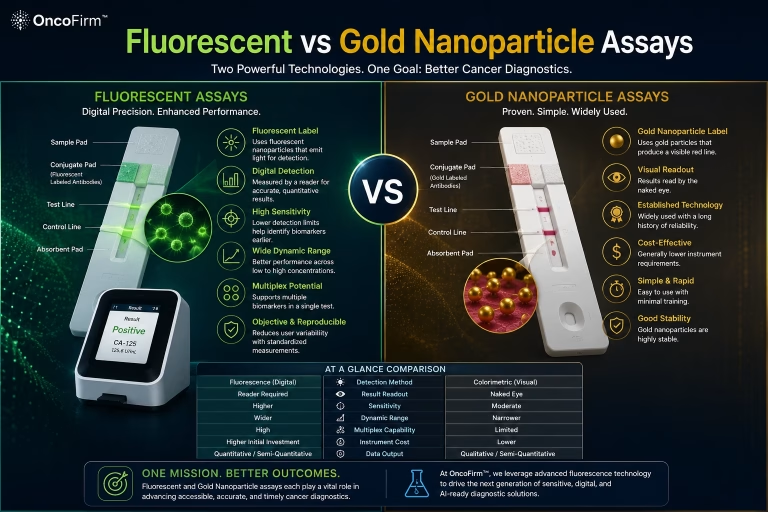
Colloidal gold gives a line read by eye; fluorescent labels need a reader. This guide compares the two for sensitivity, quantitation, equipment and workflow.
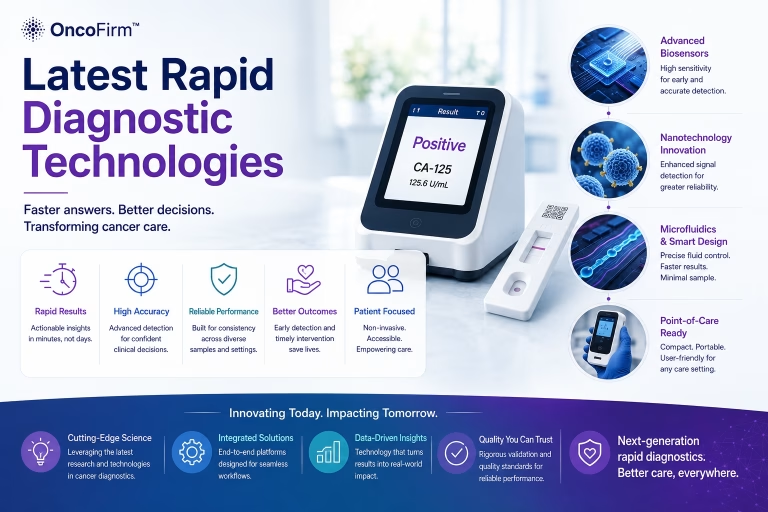
Five directions in rapid testing, from fluorescent readers and multiplex strips to isothermal and CRISPR-based detection, with what each adds and requires.
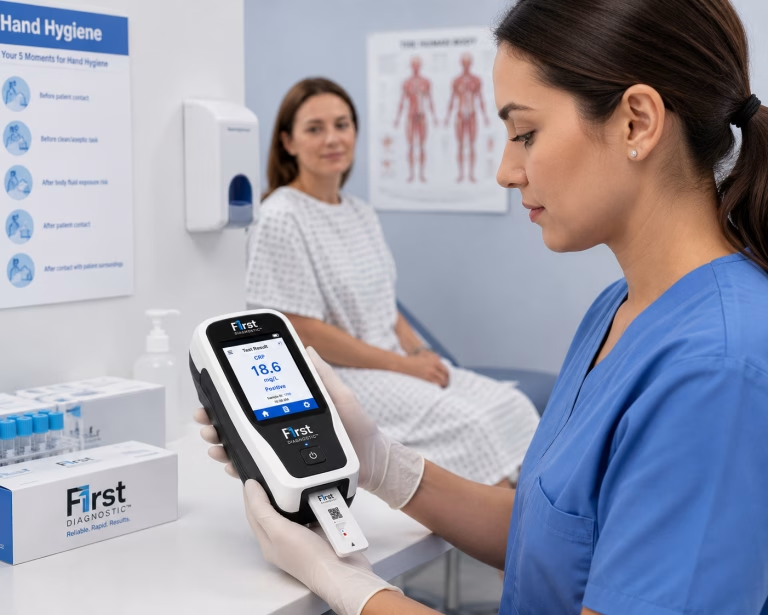
How digital cassette readers capture and interpret test and control lines, what they add to visual reading, their limits, and why a First Diagnostic™ reader is a plan, not a product.
Background reading on biomarkers and screening. Rapid tests do not diagnose or screen for cancer; these articles explain the science and its limits.
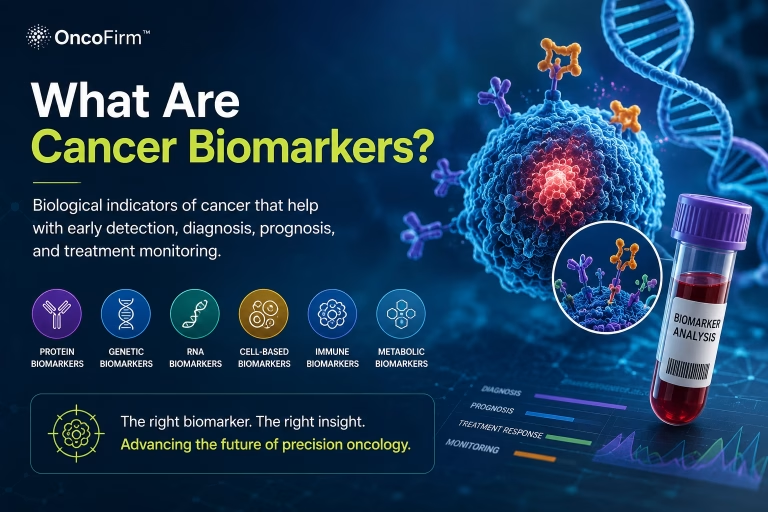
What cancer biomarkers are, how they are classified and measured, and why a marker result supports a clinical decision without replacing imaging or pathology.
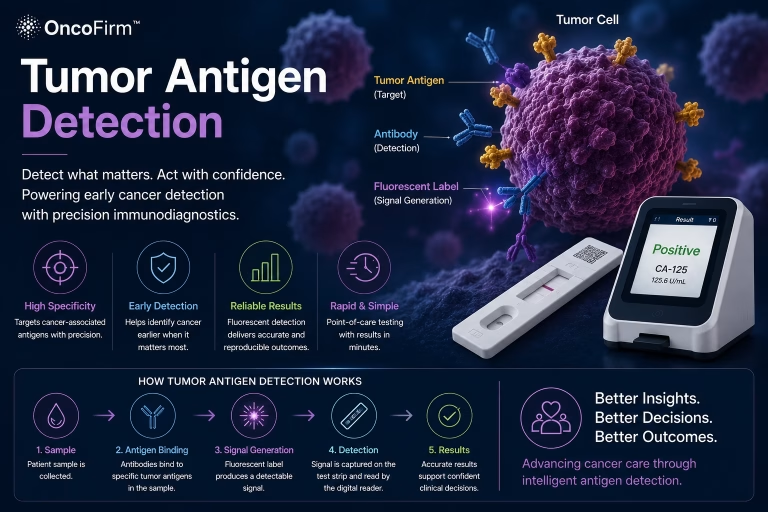
What tumor antigens are, how immunoassays measure them in blood and tissue, and why an antigen result supports clinical assessment without replacing it.
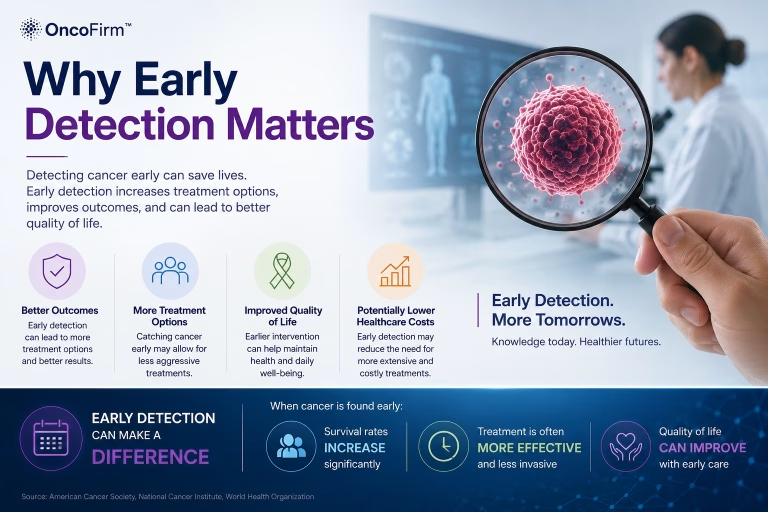
Early diagnosis and screening are different activities with different evidence. This guide sets out the benefits, the limits and where biomarker tests fit.
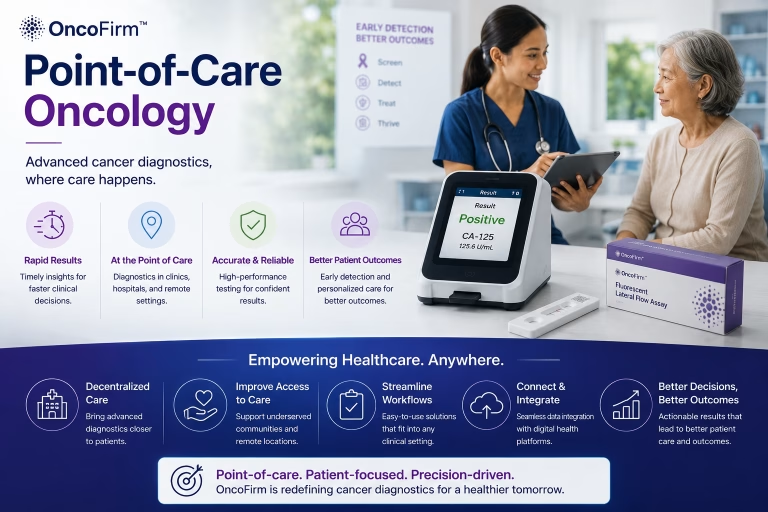
What point-of-care oncology means, which near-patient tumor-marker tests exist, and why their results need laboratory and clinical confirmation.
Read: Point-of-care oncology: what near-patient testing can and cannot do
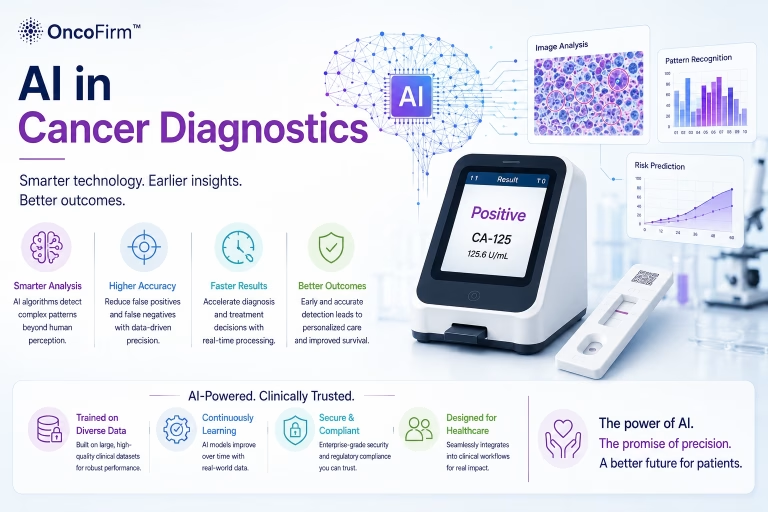
Where AI software assists cancer imaging, pathology and rapid test reading, how regulators review it, and the limits users should know.
Read: AI in cancer diagnostics: current uses, evidence and limits
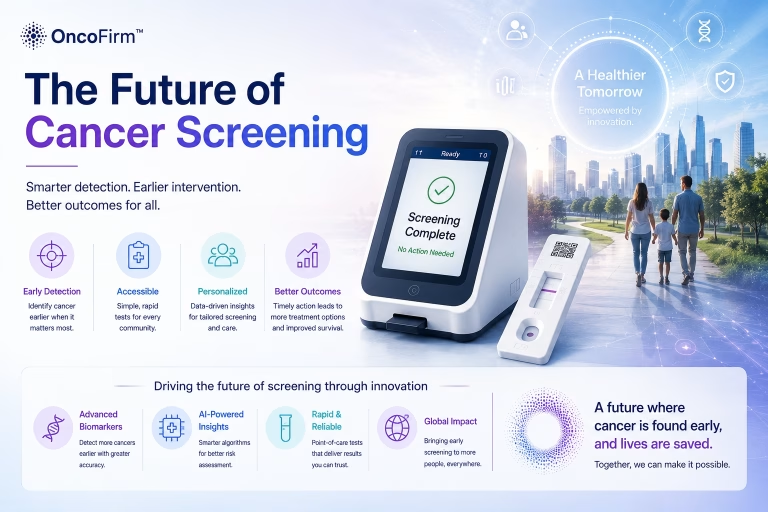
Multi-cancer blood tests, risk-based screening and AI reading support: what screening programmes use today and what is still being evaluated in trials.
Read: The future of cancer screening: established methods and methods on trial
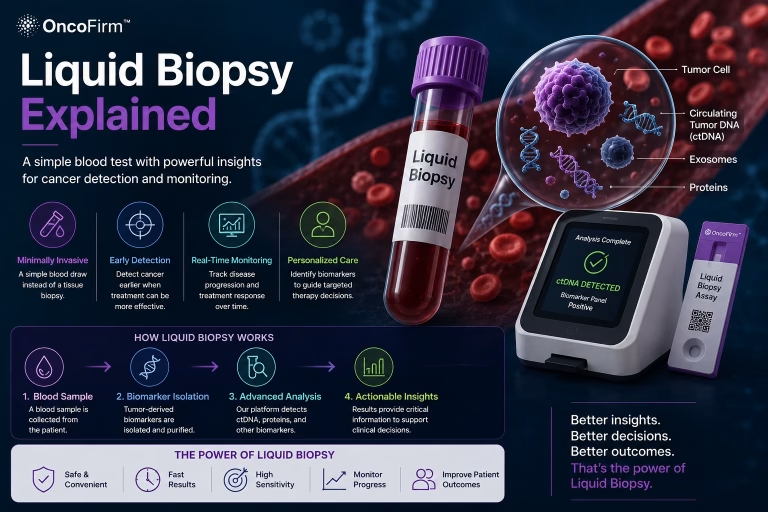
What a liquid biopsy measures, how circulating tumor DNA results are used in cancer care, and why the method has limits in early-stage disease.
Read: Liquid biopsy explained: what blood-based tumor testing can show
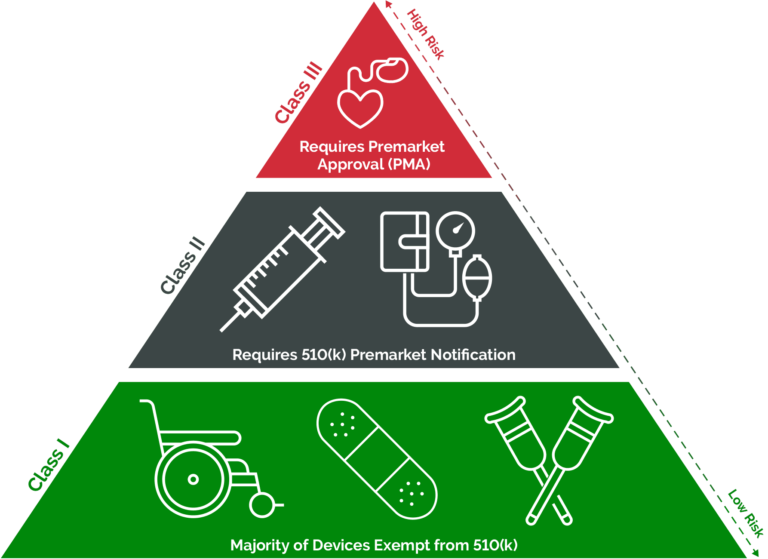
The legal definitions of a medical device in the United States and the European Union, the risk classes in each system, and why rapid tests are in vitro diagnostic devices.
A manufacturer’s representative sells on a manufacturer’s behalf without buying the goods. How the role works, how it differs from a distributor, and when diagnostics manufacturers use one.
What First Diagnostic™ does when it represents a diagnostic manufacturer: distributor introductions, catalog and labeling coordination, distributor qualification and order processing support.
How the pharmacy channel handles rapid tests: the difference between professional-use and self-test products, why each needs its own authorization, and what pharmacy buyers ask suppliers for.
What handheld ultrasound devices are, how point-of-care ultrasound sits beside rapid tests, and their limits. First Diagnostic™ does not supply ultrasound devices today.
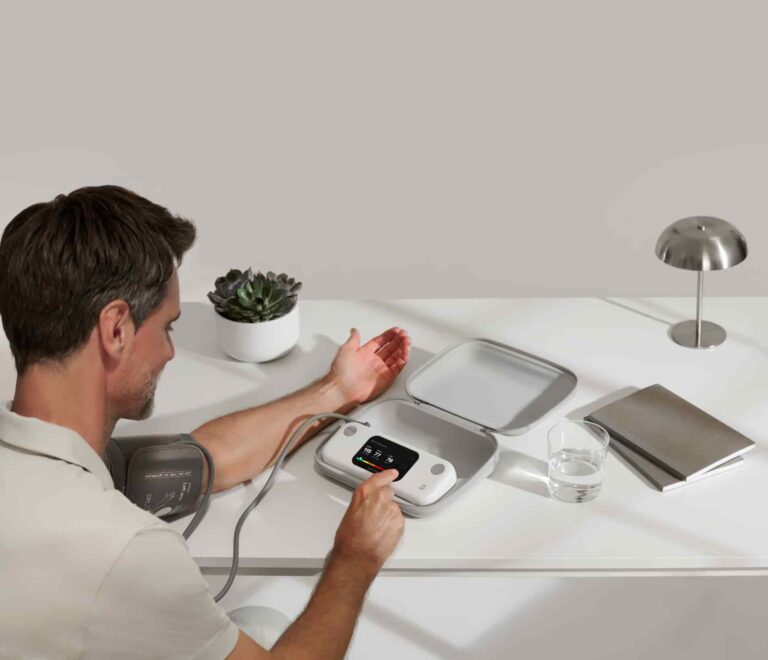
What cardiovascular monitoring devices measure, how they complement cardiac marker rapid tests, and why neither replaces the other. First Diagnostic™ does not supply monitoring devices today.
A historical record of what a 2008 press release reported about the FirstVue™ HBsAg rapid test. The figures are not current performance claims for any product.
Read: 2008 Walter Reed Evaluation of the FirstVue™ HBsAg Rapid Test (Historical)
Regulatory status: Products shown on this website are for professional in vitro diagnostic use. They are not cleared, approved or authorized by the U.S. Food and Drug Administration and are not offered for sale in the United States. Product availability and regulatory status vary by country; contact us for the status in your market.